

3.4 Million Downloads and Your Analytics See None
Autonomous AI agents reshape marketing and purchasing by bypassing traditional analytics, demanding new demand capture and brand building strategies.
Publications
 PodStreet WeeklyThe whole network, once a week
 Velocity MeterCapital, markets, AI and tech
 CX-OLeadership, finance, operations
 Cult of BrandsBrand, consumer, CMO thinking
 Growth GliderGTM, sales, revenue operations
 Dear BrainNeuroscience and performance
Browse every topic →
Dear BrainNeuroscience and performance
Browse every topic →
Desks
PodStreet Weekly
Podcast intelligence for people who run things
Thirteen desks across AI, venture, brand, revenue, capital, leadership, performance and more. Each edition arrives as a short brief with the insights, arguments, numbers and the shifts worth knowing about.
Pick your desks — freeNo card. Unsubscribe from any desk in one click.
We analyse over 300 podcasts, across six publications and thirteen desks. Subscribe to what fits your week.
Velocity Meter
Capital, markets and what is actually shipping in AI.
Market SignalsPrivate EquityVentureAI & Tech
205 briefings
Dear Brain
Neuroscience and the research behind doing hard work well.
NeurosciencePerformance
Launching soon
Autonomous AI agents reshape marketing and purchasing by bypassing traditional analytics, demanding new demand capture and brand building strategies.
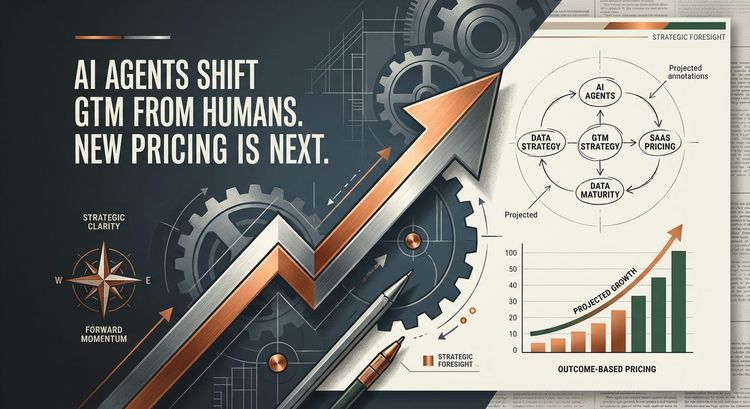
AI agents are shifting GTM from human workflows to agentic orchestration, challenging traditional SaaS and pricing, demanding new GTM engineers and outcome-based value measurement this week.

Resilient brands engineer year-round "buying moments" with strategic discounts, moving beyond shallow promotions to sustain demand.
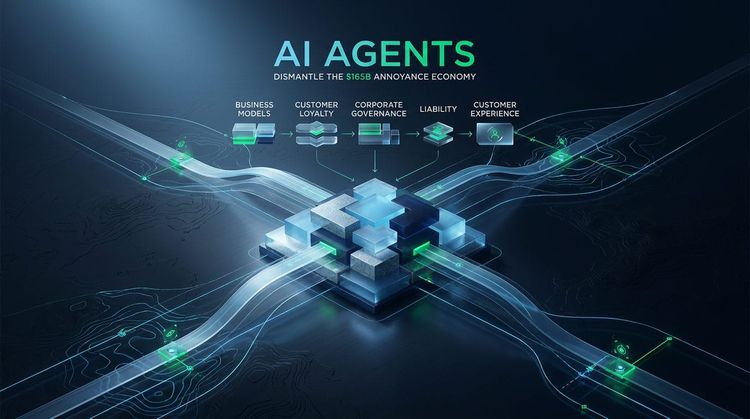
AI agents like Meta’s Muse are poised to dismantle the "$165 billion annoyance economy" by automating tasks that exploit customer complacency, forcing businesses to re-evaluate how they capture value.

E Republic distributes revenue goals to non-sales delivery teams, proving shared accountability drives collaboration as sales leadership transforms beyond just quota attainment.
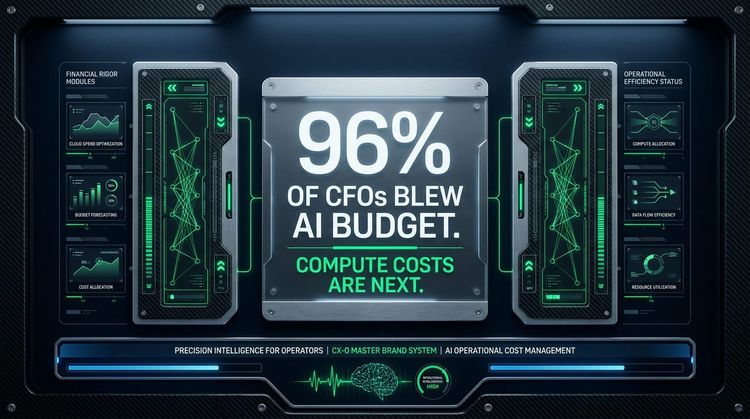
The initial hype around AI is giving way to the hard reality of implementation costs, with a new focus on rigorous financial oversight and value-driven investment strategies.

Marketers invest in AI but few scale it. Foundational data, strategy, and workflow redesign are crucial to make AI a force multiplier, not a chaos amplifier.
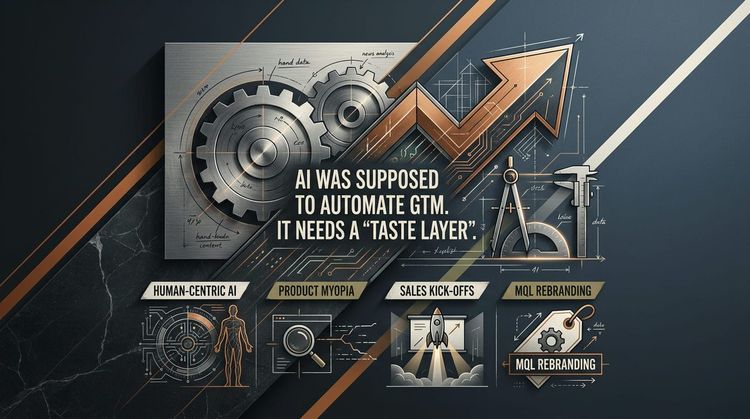
Molly Graham says AI job replacement fears hide poor management, urging human "taste layer" integration for GTM strategies, pricing, and talent retention, as AI is a tool requiring human judgment.
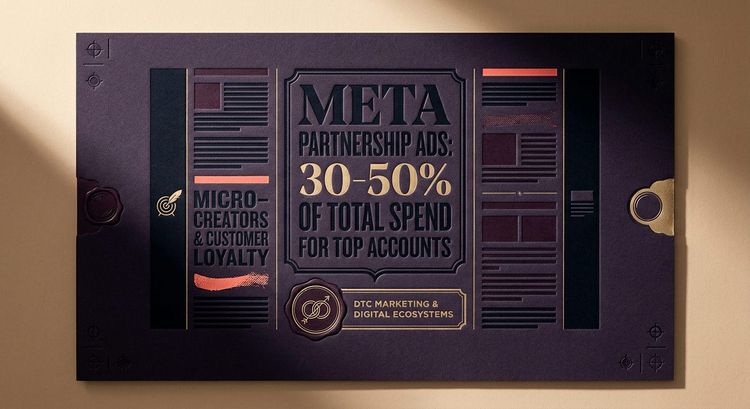
DTC brands now dedicate 30-50% of ad budgets to Meta Partnership Ads, using micro-creators and signals to achieve lower CPMs and embed authenticity in niche communities.
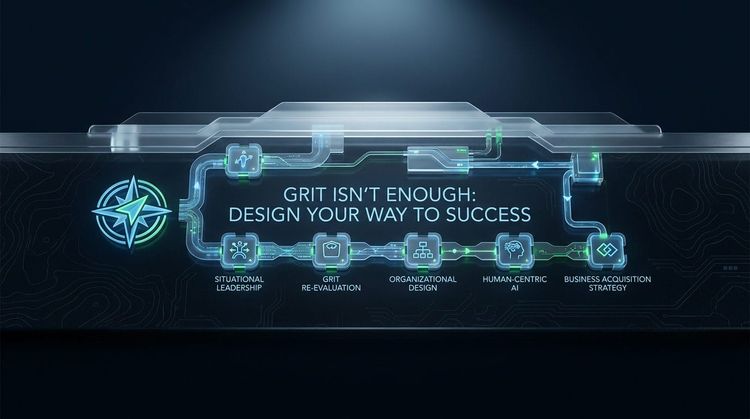
Leaders must optimize environments—culture, markets, well-being—to unleash potential, not just rely on individual capabilities; learn how top performers design context for success.
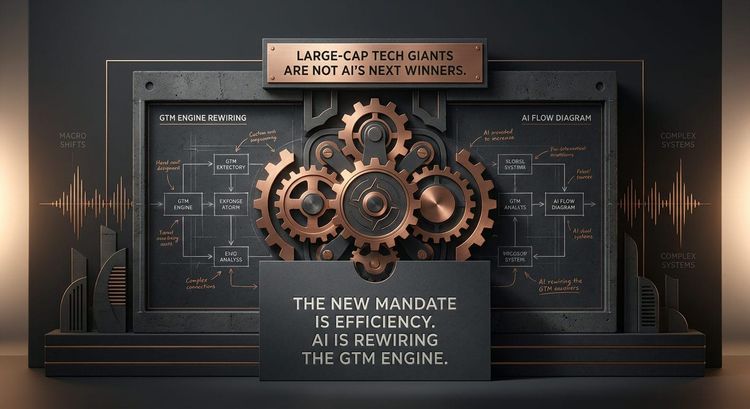
High AI investment yields elusive returns, with under 25% of organizations seeing value, causing go-to-market compensation to reshape under pressure.
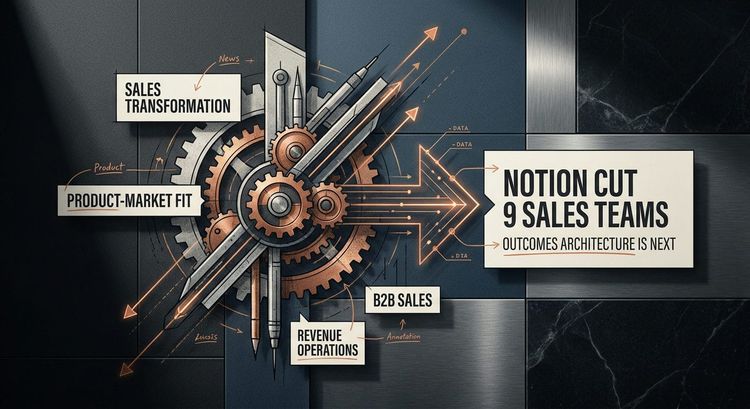
Notion's "Outcomes Architecture" redefines customer success, focusing on co-building end-to-end workflows and aligning offerings with customer needs for optimized growth.
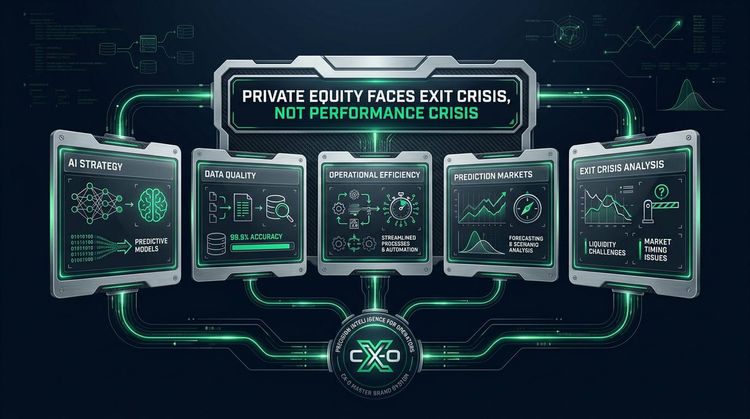
Flawed deployment, not poor ideas, sinks strategic initiatives. Re-evaluate principles and reduce waste to boost execution and supply chain efficiency for impactful gains.

HubSpot CMO Kipp Bodnar states that in AI-automated marketing, human judgment is priceless; leaders must double down on taste, trust, and remarkable content.
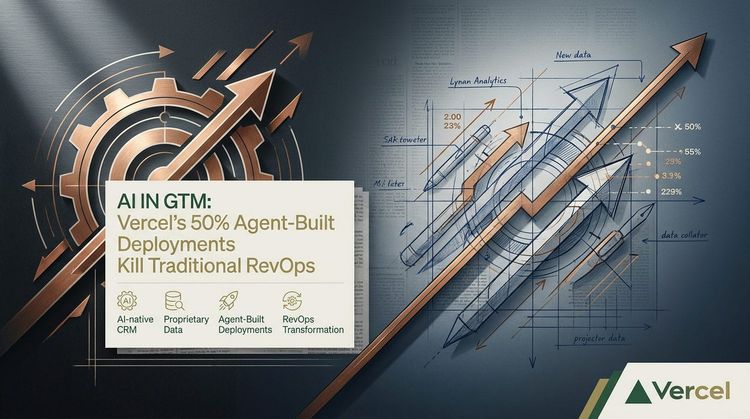
AI is now fundamentally reshaping Go-To-Market strategies, moving beyond automation to re-architect CRM systems and operational efficiency. Proprietary data is becoming the new competitive advantage.

Rothy's and Cozy Earth show disciplined growth, with deep customer understanding and strategic AI, builds resilient businesses, fostering lasting devotion, not fleeting market share.

Despite significantly lower investment, China is rapidly closing the AI capability gap with the US through state-backed industrial automation.

Andreas Steno warns investors to disregard AI executives due to misaligned incentives and poor performance. Eight different shows validate this perspective.

Revenue leaders learn "brain-first" strategies, focusing on intrinsic cognitive wiring, to drive performance and growth, not just generic tools.
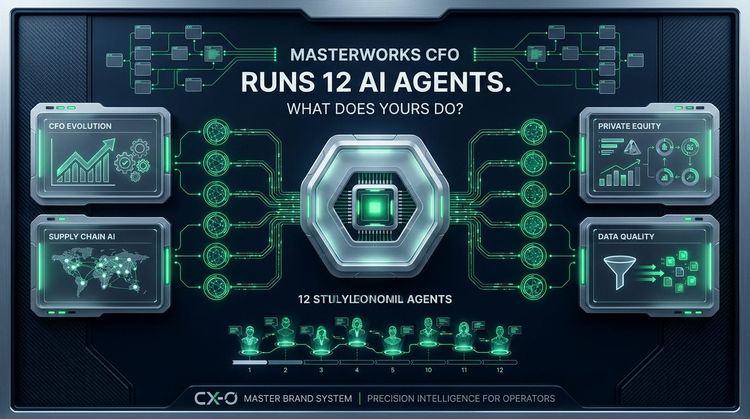
Goodyear CIO Raman Mehta notes the shift from AI curious to AI serious; leaders are now re-architecting enterprises around AI for measurable outcomes.
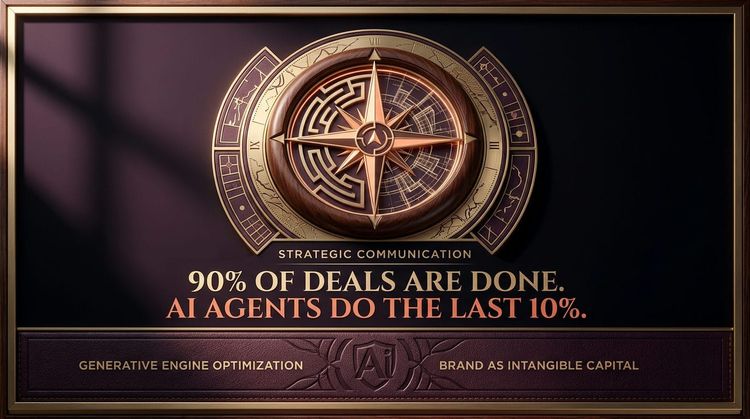
Digital economy's bifurcation requires marketers to prove value to AI agents; this redefines brand influence, data strategy, and what constitutes a marketing win.
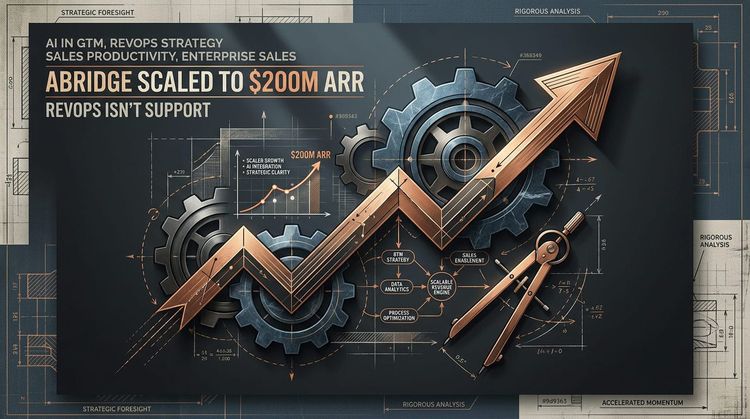
GTM leaders face two AI imperatives: enhance human performance and differentiate AI-native products, impacting team structures, product positioning, and sales talent.
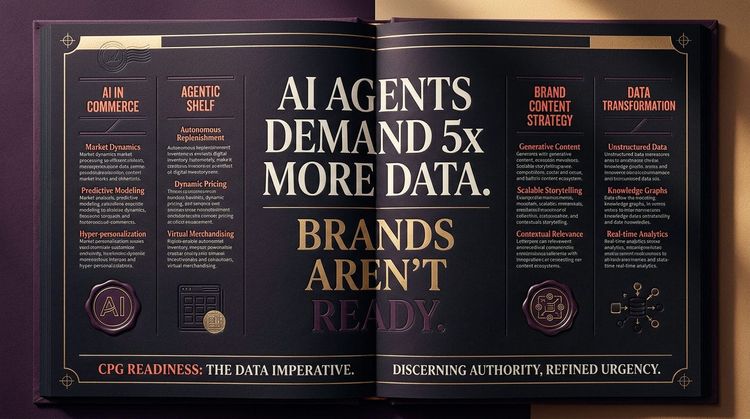
AI agents on the "agentic shelf" need 5x more data from brands. Most CPGs are unprepared for this content strategy overhaul.

This week, explore why "follow your passion" is outdated; leaders now redefine success with meaning, connection, and adaptable beliefs, not singular pursuit.